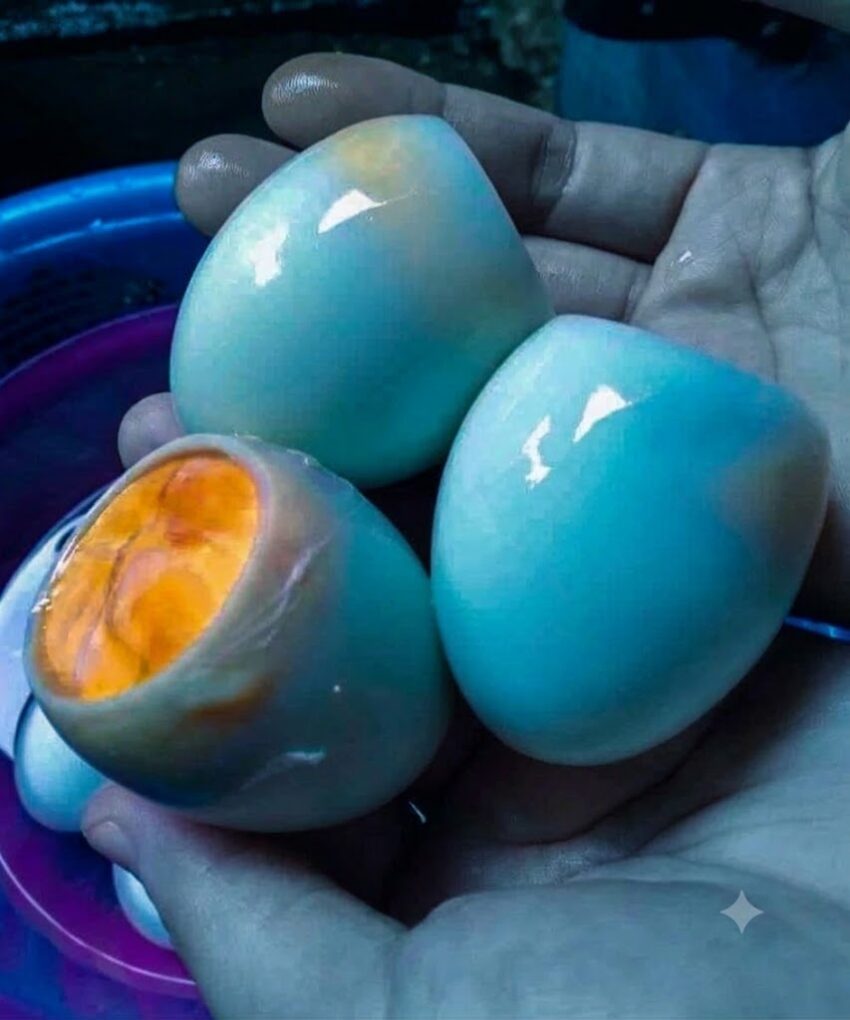
Eggs are nutritious and affordable, but eating a spoiled egg can lead to food poisoning, most commonly from bacteria like Salmonella. Spoiled eggs irritate the stomach and intestines, causing your body to expel harmful bacteria through vomiting and diarrhea. A strong sulfur or “rotten” smell is a clear warning that an egg has decomposed and should not be eaten.
Symptoms Symptoms usually appear within 6 to 48 hours and may include:
-
Nausea and vomiting
-
Stomach cramps
-
Diarrhea
-
Fever
-
Headache
-
Weakness
High-Risk Groups & When to See a Doctor While most healthy adults recover within a few days, young children, older adults, pregnant women, and people with weakened immune systems face a higher risk of severe illness and dehydration.
Seek medical care if you develop:
-
A high fever
-
Persistent vomiting
-
Bloody diarrhea
-
Signs of dehydration
-
Symptoms lasting longer than three days
What to Do If You Eat a Bad Egg If you accidentally eat a bad egg, drink plenty of fluids, rest, and stick to bland foods like toast, rice, or bananas. Avoid dairy, alcohol, caffeine, and fatty foods until you recover.
Prevention Tips To reduce your risk:
-
Always refrigerate eggs.
-
Check expiration dates.
-
Discard cracked or foul-smelling eggs.
-
Use the float test: fresh eggs sink while older eggs float.
When in doubt, throw it out—it’s always safer to replace an egg than risk food poisoning.