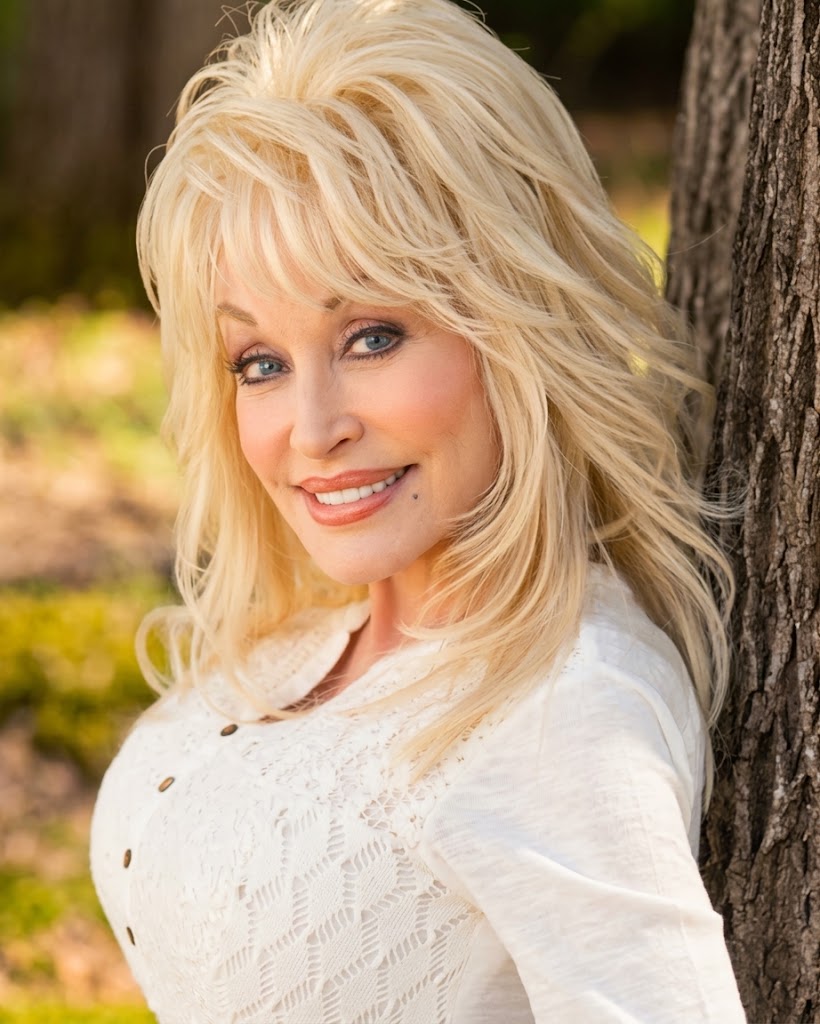
The world of music grew a little dimmer on August 25, 2026, with the heartbreaking news that Dolly Parton—the radiant and undisputed queen of country music—had passed away at the age of 80.
The announcement was shared by her nephew, Brian Seaver, who spoke not only as a longtime member of her security team, but as a grieving relative mourning the loss of the woman their family lovingly knew as “Sister,” “Granny,” and “Gigi.”
For decades, Dolly seemed almost larger than life. Her unmistakable voice, sparkling stage presence, quick humor, and boundless warmth made her feel timeless. Yet behind the rhinestones and towering blonde hair was a woman who had endured private struggles with remarkable strength.
In the final years of her life, Dolly gradually stepped back from the spotlight as health concerns demanded more of her attention. She had also endured the devastating loss of her husband, Carl Dean, who died in March 2025 after nearly six decades of marriage.
Still, even during difficult times, Dolly continued to look toward the future. She spoke of songs she still wanted to write, projects she hoped to complete, and dreams she had not yet finished pursuing. Her creative spirit never seemed to fade.
In his emotional tribute, Seaver reflected on the painful reality of saying goodbye to someone who had always seemed immortal. Though the family had long understood that such a day would eventually come, he acknowledged that nothing could truly prepare them for the loss.
Yet his message also carried a sense of peace. The sorrow, he suggested, belonged to those left behind. Dolly had spent her life bringing joy, comfort, laughter, and hope to millions. For those who shared her faith, there was comfort in imagining her reunited with Carl and with loved ones who had gone before her.
From the Mountains of Tennessee to the World Stage
Long before Dolly Parton became an international icon dressed in sequins and rhinestones, her story began in the mountains of East Tennessee.
Born on January 19, 1946, into a family of twelve children, Dolly grew up with very little material wealth. Her childhood was shaped by hardship, family, faith, and music.
She began singing in church at a young age and was already writing songs as a child. Music quickly became more than a hobby—it was her dream, her escape, and eventually her path toward a life few could have imagined.
After graduating from high school, Dolly moved to Nashville in 1964 with determination and a suitcase full of songs.
Her breakthrough came through her partnership with country star Porter Wagoner. Appearing regularly on The Porter Wagoner Show, Dolly introduced herself to a national audience and quickly proved that she was far more than a supporting performer.
Her voice was instantly recognizable, but it was her songwriting that truly set her apart.
Songs such as “Joshua,” “Coat of Many Colors,” and “Jolene” revealed her extraordinary ability to transform ordinary emotions into unforgettable stories. She wrote about poverty, love, jealousy, heartbreak, dignity, and hope with a simplicity that made listeners feel as though she were singing directly to them.
Perhaps no song demonstrated that gift more powerfully than “I Will Always Love You.”
Dolly wrote the song when she decided to end her professional partnership with Porter Wagoner and pursue her career independently. Instead of turning the separation into bitterness, she transformed it into a tender farewell filled with gratitude, sadness, and affection.
Decades later, the song would become one of the most recognizable ballads in modern music history.
More Than a Country Singer
Dolly Parton was never content to remain in one corner of the entertainment world.
Her charm and natural comedic timing eventually carried her to Hollywood, where she made her major film debut in the 1980 comedy 9 to 5, starring alongside Jane Fonda and Lily Tomlin.
The film became a cultural favorite, while Dolly’s title song evolved into an anthem for working people everywhere.
She later appeared in several other beloved films, including Steel Magnolias, proving that the warmth audiences heard in her music translated naturally to the screen.
Over the decades, Dolly earned countless honors for her work in music, television, film, and songwriting. Grammy Awards, country music honors, lifetime achievement awards, and other accolades filled her remarkable career.
Yet trophies were never the only measure of her influence.
Some of Dolly’s most meaningful work happened far away from concert stages.
A Legacy Written in Books
One of Dolly Parton’s greatest passions was helping children learn to read.
Inspired in part by her father, who never had the opportunity to learn to read and write, she founded the Imagination Library in 1995.
The program began in her home county in Tennessee with a simple idea: send free books to young children every month from birth until they entered school.
What began as a local project eventually grew into an international literacy movement.
Millions upon millions of books have been mailed to children across the United States and beyond, placing stories directly into the hands of families regardless of their income.
For Dolly, literacy was deeply personal.
She understood that music had opened doors in her own life, and she wanted children everywhere to have access to the same sense of possibility through books.
In many ways, those books may become one of the most enduring parts of her legacy.
Long after the final applause fades, children will continue opening packages bearing the name of a woman who believed that imagination could change a life.
The Quiet Love Behind the Glitter
Behind Dolly’s extraordinary public career was an unusually private love story.
She met Carl Thomas Dean shortly after arriving in Nashville, and the two married in 1966.
While Dolly became one of the most famous women in the world, Carl largely stayed away from cameras, red carpets, and celebrity life.
Their differences seemed to strengthen rather than divide them.
Dolly often described him as independent, funny, supportive, and perfectly content to let her shine while he remained outside the spotlight.
For nearly six decades, their marriage gave Dolly something fame could never provide: a private sanctuary.
Carl was the steady presence behind the extraordinary life.
When he died in March 2025, Dolly lost not only her husband but the man who had been beside her through virtually every chapter of her adult life.
She later expressed that grief through music, once again doing what she had always done best—turning deeply personal emotion into something universal.
Their marriage had survived fame, distance, rumors, relentless public attention, and the pressures of an extraordinary career.
In the end, it remained one of the quietest and most enduring love stories in entertainment.
The Woman Behind the Legend
Dolly Parton understood better than almost anyone how to create a larger-than-life image.
She joked openly about her wigs, makeup, rhinestones, and cosmetic procedures. She knew exactly how exaggerated her appearance was—and that was part of the fun.
But the image never overshadowed the person beneath it.
Her humor was often self-deprecating rather than cruel. Her public presence remained warm even when the world around her became divided. She rarely seemed interested in proving that she was better than anyone else.
Instead, Dolly built her career around connection.
She could sing about a poor child’s handmade coat with the same conviction that she brought to a glamorous stage performance. She could make people laugh one moment and cry the next.
That rare combination made her beloved by generations who did not necessarily share the same musical tastes, backgrounds, or beliefs.
To country music fans, she was royalty.
To songwriters, she was a master storyteller.
To children receiving books from the Imagination Library, she was the woman who sent stories to their homes.
To countless fans, she represented kindness, resilience, humor, and the courage to remain unmistakably yourself.
And to her family, she was simply Dolly.
A sister.
An aunt.
A wife.
A woman whose presence filled a room long before the spotlight ever found her.
A Legacy That Will Not Fade
Dolly Parton’s passing marks the end of an extraordinary chapter in American music and culture.
But legends like Dolly do not disappear when their voices fall silent.
They remain in the songs people sing in cars and kitchens. They remain in the films families watch together. They remain in the memories of concerts, childhoods, weddings, heartbreaks, and moments when a familiar song somehow said exactly what words could not.
They remain in little books arriving in children’s mailboxes.
They remain in the dreams of young musicians who look toward Nashville and wonder whether someone from a small town can make the world listen.
Dolly Parton once built a career by turning her own life—its poverty, humor, heartbreak, faith, love, and ambition—into songs that belonged to everyone.
That may be why her loss feels so personal.
Millions of people never met her.
Yet somehow, through her music and generosity, she made them feel as if they knew her.
The stage lights may have dimmed, but the light she created has not.
It lives in every verse.
Every story.
Every child who discovers the joy of reading.
Every person who hears “Jolene,” “Coat of Many Colors,” “9 to 5,” or “I Will Always Love You” and remembers the unmistakable voice behind them.
Dolly Parton spent eighty years filling the world with music, laughter, generosity, and hope.
And although the world must now say goodbye, the legacy she leaves behind ensures that her voice will never truly fall silent.