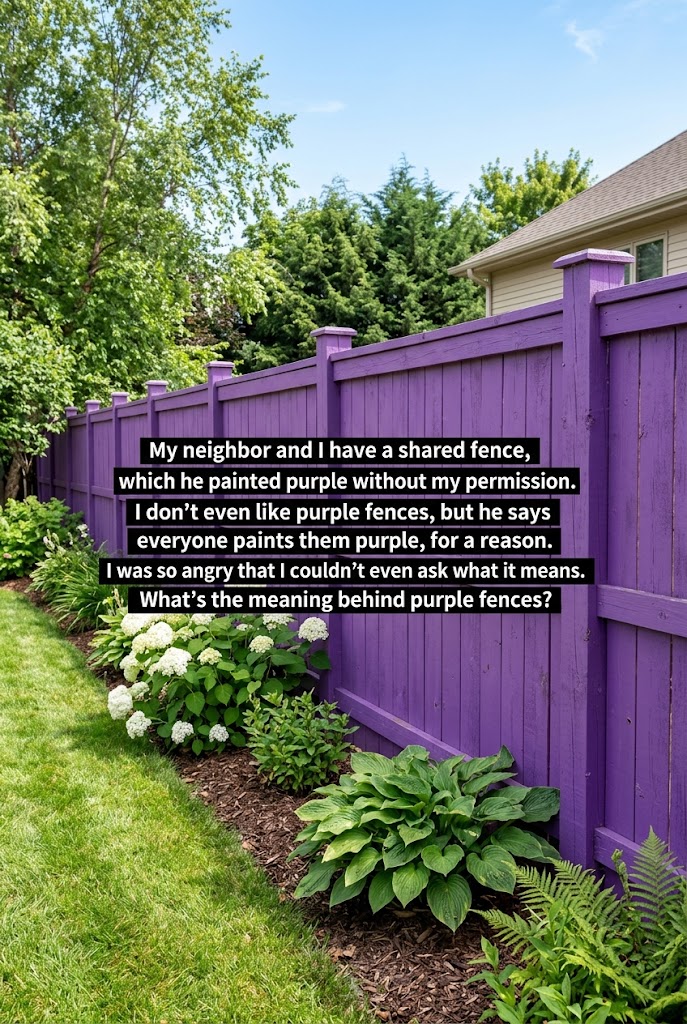
Purple paint marks on trees or fence posts can indicate that a property is privately owned and that unauthorized entry is prohibited in certain areas of the United States. In states with purple-paint laws, these markings may serve as a legally recognized “no trespassing” warning, giving property owners a convenient alternative to traditional signs that can deteriorate, fall down, or be taken away. However, not every purple marking automatically has legal significance, as individual states may establish specific rules regarding the paint’s dimensions, location, and spacing. Landowners should review the current laws in their state before depending on painted markings as official notice. This unusual color helps make property boundaries easier to identify and can stay visible for extended periods when applied directly to trees or fence posts. This makes it particularly useful for identifying large properties, wooded locations, and rural land where maintaining conventional signs can be challenging.
For hikers and other visitors, understanding purple markings can help prevent confusion and accidental trespassing. A painted stripe may indicate that the land beyond the marker is private, even when no conventional warning sign is visible. Therefore, visitors should stop and verify whether they have permission before proceeding. An open gate, a beautiful landscape, or an inviting trail does not automatically provide lawful access, because being physically able to enter a property is different from having legal authorization to do so. The significance of purple paint also varies by location, since markings that qualify as valid legal notice in one state may not satisfy the requirements in another. Some areas may continue to require additional signs or other types of notification. Paying attention to boundary markers helps protect property owners’ rights and reduces the likelihood of unnecessary disagreements. When permission to enter is unclear, contacting the property owner or reviewing local regulations is considered the safest way to prevent a pleasant outdoor excursion from becoming an avoidable problem.