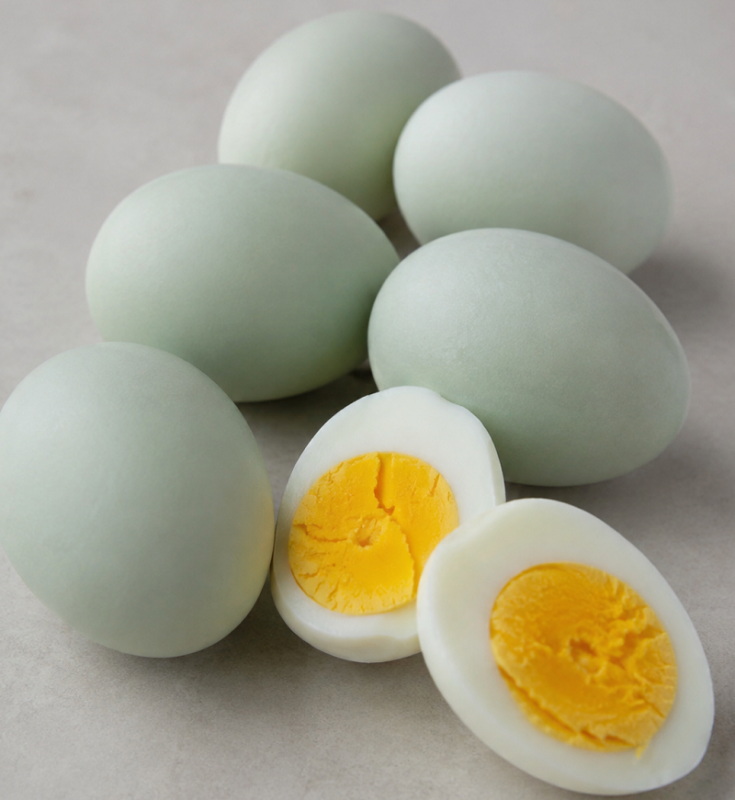
Green-Shelled Chicken Eggs: Color, Safety, and Nutrition
Green-shelled chicken eggs can look unusual enough to make some shoppers hesitate. Their shells may be pale mint, blue-green, olive, or dark mossy green, leading to claims that they are “medicinal,” genetically modified, chemically treated, or even dangerous.
However, a naturally green shell does not make an egg poisonous, nor does it cause any special disease. Eating any raw, undercooked, cracked, contaminated, or poorly stored chicken egg can cause foodborne illness—meaning green-shelled eggs can cause food poisoning under unsafe conditions, but their color is not the cause.
Why Are Some Chicken Eggs Green?
Eggshell color is determined by the hen’s genetics.
-
Pigmentation: Research identifies biliverdin as the pigment responsible for blue or blue-green coloring. Olive-green shells result from a combination of blue-green biliverdin and reddish-brown protoporphyrin pigments. This coloration is naturally deposited on the shell and is not evidence of dyes, chemicals, or spoilage.
-
Breeds: Breeds such as Araucanas and related crossbred chickens are known for laying blue or green eggs.
-
Nutritional Differences: According to the U.S. Department of Agriculture (USDA), shell color is determined by breed and does not create a meaningful nutritional difference. Claims that naturally colored eggs contain less cholesterol or are dramatically healthier are unproven.
Food Safety Concerns: Salmonella & Risk Groups
The primary food-safety concern associated with shell eggs is Salmonella. Fresh eggs with clean, uncracked shells may still contain this bacteria.
Salmonella Symptoms
Contaminated eggs eaten raw or undercooked can cause:
-
Diarrhea
-
Fever
-
Abdominal cramps
-
Vomiting
Symptoms often begin within 12 to 72 hours and last four to seven days. The outside color of an egg does not indicate whether Salmonella is present.
High-Risk Groups
While most healthy individuals recover without specific treatment, Salmonella can be severe for:
-
Young children
-
Older adults
-
Pregnant women
-
Individuals with weakened immune systems
These groups should avoid raw or lightly cooked egg dishes (e.g., homemade mayonnaise, Caesar dressing, eggnog, mousse, tiramisu, soft scrambled eggs, or runny whites). Pasteurized shell eggs are safer choices when recipes call for un-cooked eggs, as pasteurization destroys Salmonella without cooking the egg.
Egg Allergies
Egg is recognized by the FDA as a major food allergen. Someone with an egg allergy will react to green-shelled eggs just as they would to white or brown eggs, because the reaction is triggered by egg proteins—not shell pigment. Symptoms range from skin redness and hives to severe anaphylaxis.
Green Shell vs. Green Yolk
A green shell and a green ring around a cooked yolk are completely different:
-
Green Ring Cause: A green ring forms around a hard-cooked yolk when sulfur and iron compounds react, usually from overcooking or slow cooling.
-
Safety: This ring is a cooking-quality issue, not bacterial contamination or poison. Promptly cooling eggs after boiling prevents this discoloration.
Guidelines for Safe Handling, Storage, and Cooking
Buying & Inspection
-
Buy eggs from a refrigerated display.
-
Inspect cartons to ensure shells are clean and uncracked.
-
Avoid eggs left in direct sunlight, near heat sources, or inside hot vehicles.
Safe Home Storage
-
Refrigerate eggs promptly at 40°F (4°C) or colder in their original carton—not in the door.
-
Use refrigerated shell eggs within three weeks.
-
Use hard-cooked eggs within one week, and leftover cooked egg dishes within three to four days.
-
Never leave cooked egg dishes at room temperature for more than two hours (or one hour if the surrounding temperature is above 90°F / 32°C).
Cooking & Preparation
-
Cook eggs until both the yolk and white are firm.
-
Mixed egg dishes (casseroles, quiches) should reach an internal temperature of 160°F (71°C).
-
Wash hands, utensils, and surfaces with hot, soapy water after contact with raw eggs to prevent cross-contamination.
When to Discard Eggs
Discard eggs if:
-
The shell is cracked, leaking, or heavily contaminated.
-
The egg produces a distinctly foul or rotten odor upon cracking.
The Bottom Line
Scientific evidence does not support the claim that natural green shell pigment makes an egg toxic. Green-shelled eggs are generally as safe as any other chicken egg when sourced reliably, refrigerated properly, intact, and cooked thoroughly. Their color is simply a genetic feature.