A warm shower is one of the easiest ways to unwind after a tiring day. However, the warm, moisture-filled air produced during showering can create issues when it stays trapped inside the bathroom. Without a way to escape, humidity can linger on walls, ceilings, floors, and other surfaces, preventing them from drying properly. Over time, this excess moisture may encourage mold growth, cause unpleasant smells, and damage household materials.
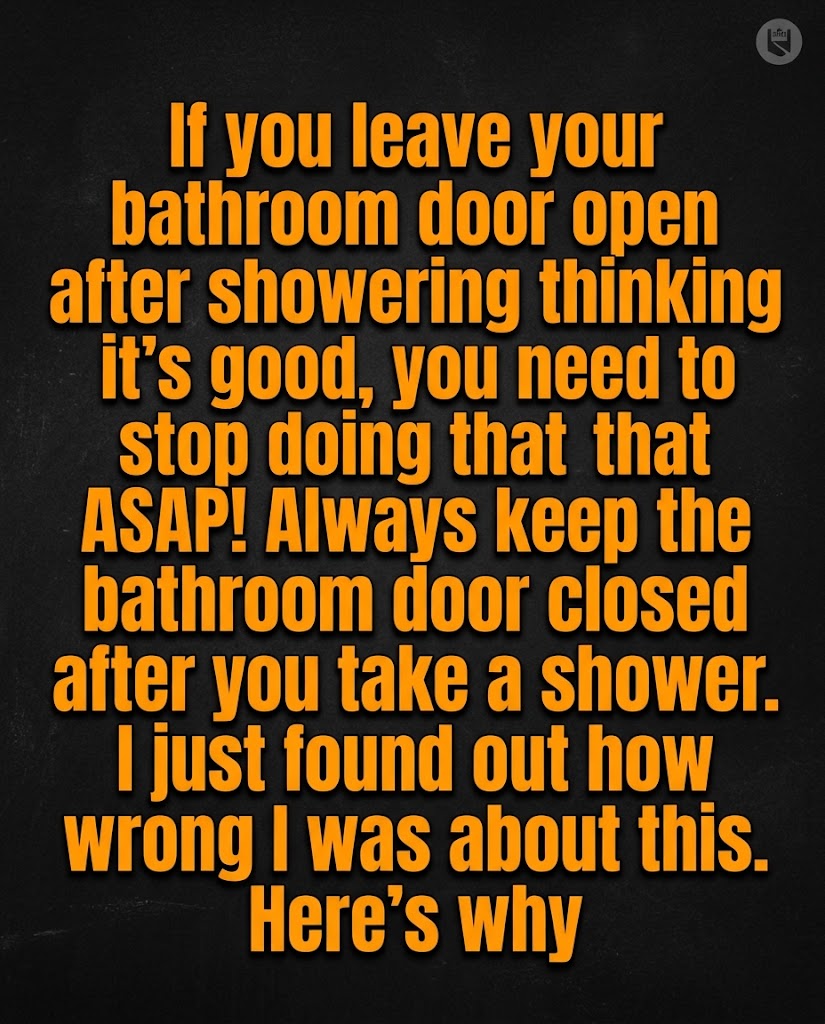
One simple habit that can help minimize these problems is improving air circulation immediately after taking a shower. When appropriate, leaving the bathroom door open allows humid air to flow into other parts of the home, where it can spread out and dissipate more easily. This straightforward measure can help the bathroom dry more quickly, particularly when paired with an efficient ventilation system.
Too much moisture creates favorable conditions for mold and mildew to grow. These organisms can develop on damp surfaces such as tile grout, window frames, ceilings, and areas surrounding sinks and showers. When moisture remains a recurring problem, homeowners may notice dark patches, peeling paint, damaged caulking, or a lingering musty odor. Controlling humidity before it becomes excessive can help prevent small concerns from turning into costly repair projects.
Good ventilation is particularly essential in bathrooms that lack windows or have poor natural airflow. A properly installed exhaust fan removes humid air from the bathroom and carries it outdoors. Operating the fan while showering and continuing to run it for around 20 to 30 minutes afterward can help clear remaining moisture. The time required will vary depending on the bathroom’s dimensions, the fan’s power, and how quickly the surfaces dry.
While keeping the bathroom door open can encourage better air circulation, it is not always the most practical choice. Households with small children, pets, or shared living arrangements may need to keep the door shut for privacy or safety reasons. In such cases, an exhaust fan that works effectively and vents air outdoors can serve as a useful alternative. Opening a window can also improve ventilation when outdoor conditions and air quality are suitable.
A few simple everyday practices can make the bathroom easier to keep dry. After showering, wipe away excess water from glass doors, tiled walls, and other wet surfaces. Spread towels apart so they can dry thoroughly instead of leaving them folded in a heap, and give bath mats enough room to air out. These small actions help limit the moisture left behind and reduce the chance of damp fabrics developing unpleasant smells.
Routine cleaning also plays a significant role in maintaining a healthy bathroom. Give special attention to grout lines, corners, shower seals, and areas around the bathtub, as moisture can easily accumulate in these places. Occasionally inspect walls and ceilings for unusual discoloration, bubbling paint, or other signs that could point to a moisture issue. If mold repeatedly appears despite regular cleaning and proper ventilation, look for the underlying cause of the dampness instead of only cleaning away the visible patches.
Controlling bathroom humidity can also contribute to healthier indoor air. Exposure to mold may trigger allergic reactions or aggravate asthma symptoms in certain individuals. Preventing long-lasting dampness, fixing leaks as soon as they appear, and maintaining effective airflow can help create a more pleasant indoor environment.
Ultimately, keeping a bathroom dry does not always mean investing in expensive renovations or complicated equipment. Establishing a regular routine that includes proper ventilation, allowing wet surfaces to dry, and removing excess water can have a noticeable impact. By managing humidity and improving airflow after each shower, homeowners can protect bathroom materials, lower the risk of mold development, and maintain a cleaner, fresher home throughout the year.