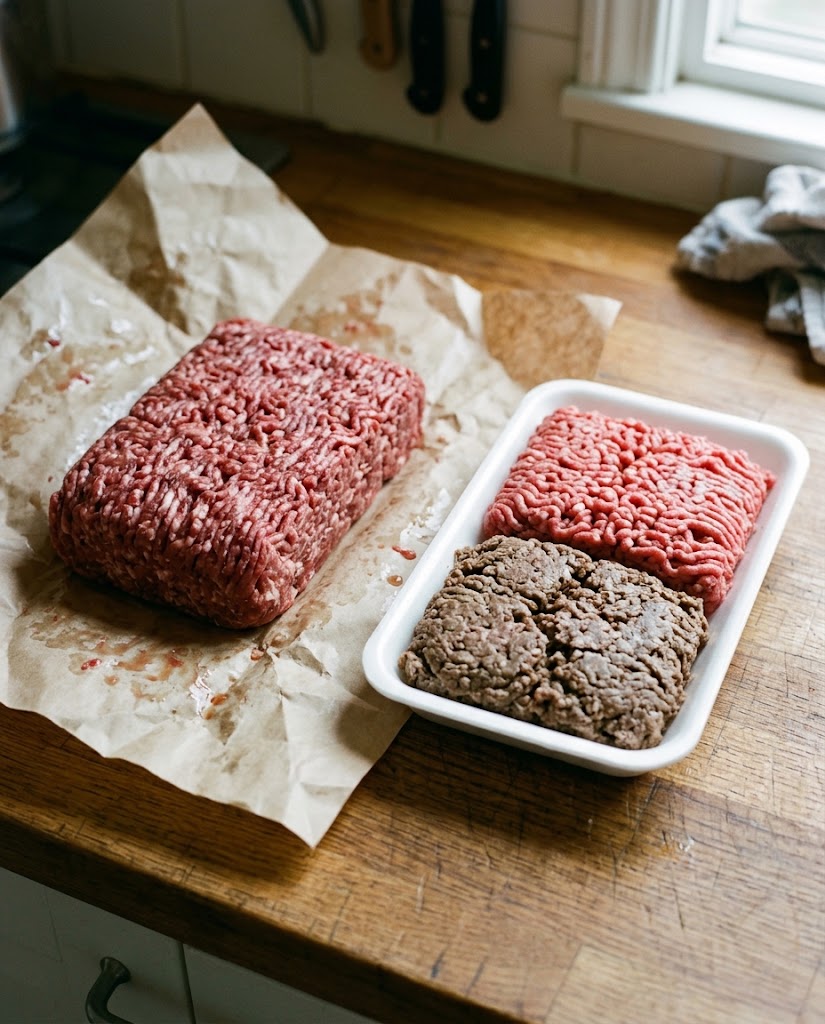
When it comes to the food you eat, not all beef is the same. The attractive packaging and neat displays at your neighborhood supermarket may give the impression that every cut is fresh and high-quality, but the truth behind the label can be quite different. Understanding how supermarket beef compares with farm-raised beef involves more than flavor and quality; it also concerns your health, the transparency of food production, and the environmental consequences of your purchasing decisions.
Let’s take a closer look at what happens to the meat you bring home and discover why the term “farm-raised” can represent much more than a simple marketing slogan.
1. Quality and Taste: The Hidden Price of Convenience
Beef raised on farms, particularly on small local ranches, generally comes from cattle that spend time grazing in open pastures. These animals are often grass-fed or finished on grain, giving them a varied feeding routine while allowing them to move naturally and grow with less stress. The result can be beef with a distinctive flavor, a rich nutritional profile, and natural marbling that develops through the animal’s growth rather than artificial processes.
Supermarket beef, by comparison, frequently comes from large industrial facilities called CAFOs (Concentrated Animal Feeding Operations). Cattle in these operations are kept in restricted spaces and given energy-dense grain-based diets, primarily corn and soy, to accelerate weight gain. Although this approach helps maintain low prices and high production levels, it can come at a cost to meat quality and animal welfare. The beef may appear consistently red and uniform, but its flavor can be less distinctive, and its nutritional composition may differ.
The truth is that the appealing red color of meat displayed in stores can sometimes be maintained through modified-atmosphere packaging, including methods that use gases such as carbon monoxide. As a result, beef may retain its attractive appearance even after being packaged for an extended period. Farm-raised beef, on the other hand, is often promoted for its freshness and distinctive taste without relying on the same emphasis on shelf appearance.
2. Nutritional Differences That Impact Your Health
The way cattle are fed and raised can significantly affect the nutritional composition of their meat. Grass-fed, pasture-raised beef generally contains less total fat than some grain-fed alternatives while providing higher amounts of certain beneficial nutrients. Research indicates that it may contain:
- Up to five times more omega-3 fatty acids, which help regulate inflammation and support cardiovascular health.
- Higher concentrations of conjugated linoleic acid (CLA), a fatty acid associated with metabolic benefits and possible reductions in the risk of certain cancers.
- Greater amounts of vitamins A and E, along with antioxidants such as glutathione and superoxide dismutase, which help protect cells against oxidative stress.
Feedlot beef, in comparison, may contain higher proportions of omega-6 fatty acids. Although omega-6 fats are essential to the body, concerns arise when dietary patterns provide an imbalance between omega-6 and omega-3 fats. This is one reason some health professionals recommend considering grass-fed beef when making food choices.
Additionally, farm-raised beef may come from cattle raised without routine antibiotics or growth-promoting hormones, depending on the farm’s practices. Industrial operations may use antibiotics under veterinary supervision to treat illness, control disease, or prevent certain infections in crowded environments. The inappropriate or excessive use of antibiotics in livestock can contribute to antimicrobial resistance, which poses a serious and growing threat to human health worldwide.
3. Transparency: Knowing Where Your Food Really Comes From
One major distinction between supermarket beef and meat purchased directly from a farm is the ability to trace its origins. When you purchase beef from a local farmer or a butcher who works with nearby ranches, you may be able to learn which farm produced it, what breed of cattle it came from, and how the animals were fed. You can also ask about grass-feeding practices, aging methods, and the farm’s approach to animal welfare and environmental responsibility.
Supermarket supply chains, however, can involve numerous distributors, processing facilities, and packaging companies. A single package of ground beef may contain meat from many animals obtained from different locations or countries. Depending on the applicable labeling rules, certain packages may carry a “Product of USA” designation even when the cattle were raised and slaughtered abroad, provided the meat underwent qualifying processing in the United States.
Such a system often emphasizes efficiency and large-scale distribution over direct consumer knowledge. Buying farm-raised beef can create a more personal connection because you have the opportunity to learn who raised the animals and how they were cared for. Greater transparency can build consumer confidence while helping smaller farms remain competitive in an industry dominated by large producers.
4. Environmental Impact: The True Cost of Industrial Beef
The consequences of mass-produced beef extend beyond human health and can significantly affect the environment. Cattle production contributes to greenhouse gas emissions, land-use changes, deforestation, and water pollution. Industrial feedlots produce substantial amounts of methane, a powerful greenhouse gas, while large-scale feed production often depends on synthetic fertilizers, pesticides, and energy-intensive agricultural practices.
By comparison, some small farms use regenerative agricultural techniques, including rotational grazing, to improve soil conditions, limit erosion, and reduce agricultural runoff. When carefully managed, these practices can help soils store carbon and maintain healthy grasslands. However, whether a grass-fed beef operation achieves carbon neutrality or becomes carbon-negative depends on several factors, including grazing management, soil conditions, land-use changes, and the emissions associated with raising cattle.
Purchasing beef from nearby farms may also reduce transportation requirements, depending on the supply chain. Instead of relying on meat transported over long distances, consumers may be able to buy beef produced within their own region, potentially reducing some transportation-related emissions.
5. The Human Factor: Ethics and Welfare
Every piece of beef has a history involving the animal, the farmer, and the decisions made throughout production. Large industrial meat operations are designed to produce substantial quantities of meat efficiently, sometimes at the expense of animal welfare. Cattle kept in crowded or restricted conditions may experience stress and have fewer opportunities to engage in natural behaviors than animals raised on well-managed pastures.
Responsible farming, by contrast, seeks to balance animal care with the responsible use of land and resources. Farmers who prioritize humane treatment may use low-stress handling methods, provide access to fresh air and pasture, and take steps to minimize discomfort throughout the animals’ lives, including during transport and slaughter. These practices can support animal welfare while contributing to a more responsible approach to meat production.
For many shoppers, supporting ethical farming is about more than personal nutrition. It is also a way to make purchasing decisions that reflect their values. Choosing farm-raised beef can express a preference for quality, environmental responsibility, and compassion rather than convenience alone.
6. The Hidden Cost of “Cheap” Meat
Beef sold in supermarkets may initially appear to be the more affordable choice. However, when the broader consequences of industrial production are considered, its overall costs can extend well beyond the amount printed on the price label.
Low-priced industrial beef can contribute to:
- Environmental damage caused by pollution and the excessive use of natural resources.
- Potential health concerns associated with inappropriate antibiotic use, certain production practices, and differences in dietary fat composition.
- Financial pressure on small farmers who struggle to compete with large agricultural corporations and their extensive distribution networks.
Every dollar spent on locally produced farm-raised beef can help support a more sustainable and responsible food system. Such purchases may strengthen rural communities, protect agricultural land, and encourage better production practices. Although the initial expense may be greater, consumers may find value in the flavor, traceability, and farming practices associated with their purchase.
7. How to Tell the Difference When Shopping
Because meat labels can sometimes create confusion about how cattle were raised, knowing which details to check is important.
- Look for “100% Grass-Fed” or “Pasture-Raised.” When supported by trustworthy verification programs, such as the American Grassfed Association (AGA) or Animal Welfare Approved (AWA), these labels can provide stronger evidence of the farming practices used.
- Be cautious with vague descriptions such as “Natural” or “Farm Fresh.” Although these phrases sound appealing, they do not necessarily establish that cattle were pasture-raised or fed a grass-based diet.
- Ask questions. When shopping at farmers’ markets or independent butcher shops, ask how the cattle were raised, what they ate, and whether antibiotics or growth-promoting treatments were used.
- Check the source. Buying from regional farms can make it easier to learn where your beef originated and may reduce transportation-related emissions.
- Consider buying in bulk. Many farms offer quarter- or half-animal beef packages at a potentially better price than individual retail cuts. These purchases can be stored for extended periods when properly frozen, while giving you clearer information about the source of your meat.
8. Supporting Local Farms: A Step Toward Change
Every purchase helps influence the kind of food system consumers want to support. Choosing farm-raised beef can direct money toward farming families and independent producers rather than relying exclusively on large corporations. It can also help maintain agricultural diversity, encourage responsible animal care, and preserve open land for future generations.
Local farms often contribute to their communities by employing nearby workers, purchasing local supplies, and adopting environmentally responsible methods where practical. Choosing their products can therefore do more than improve the food on your table. It can strengthen the regional economy and demonstrate that honesty, accountability, and responsible production remain important to consumers.
9. Why It Matters for the Future
As more people become interested in the origins of their food, demand for greater transparency and sustainable agricultural practices is influencing the future of farming. Younger consumers, in particular, are exploring options such as local farms, community-supported agriculture (CSA) programs, and regenerative farming systems designed to work more closely with natural processes.
Learning how supermarket beef differs from farm-raised beef is not simply a matter of following a trend or choosing a more expensive product. It involves understanding the consequences of food production and making informed decisions. Every meal has a story behind it, and the choices made at the checkout can influence farmers, communities, animal welfare, and the environment.
10. The Takeaway
The next time you visit the supermarket meat section, remember that attractive packaging and bright red coloring reveal only part of the story. Appearance alone cannot establish how fresh the meat is, how the cattle were raised, or what practices were used during production. Quality and flavor depend on several factors, including feeding methods, animal care, processing, and storage.
By choosing responsibly produced farm-raised beef when possible, you can support a food system that places greater emphasis on transparency, animal welfare, and environmental responsibility. Your decision may also help encourage more sustainable agricultural practices and show how thoughtful consumer choices can contribute to meaningful change over time.
Don’t let appearances make the decision for you. Learn about your options, ask questions, and whenever possible, consider buying from farms that prioritize both the quality of their products and responsible farming practices.
Because the difference between supermarket beef and farm-raised beef is not simply about flavor. It is also about understanding how your food is produced and what your choices support.