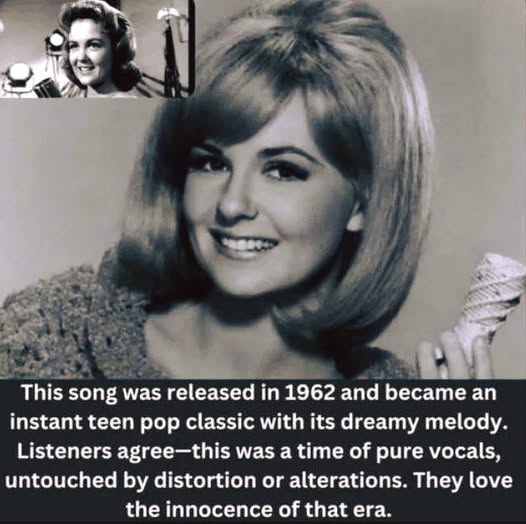
In the early 1960s, American popular music was undergoing a major cultural shift, moving toward softer, emotionally driven pop sounds that reflected teenage experiences, romantic longing, and the changing identity of youth culture across the United States.
During this period, Shelley Fabares emerged as a recognizable figure in entertainment, already known to television audiences for her role as Mary Stone in the popular series The Donna Reed Show.
Born in Santa Monica, California, Fabares grew up in an environment close to the entertainment industry, which naturally influenced her early exposure to acting, performance, and the evolving world of American television culture.
Her early career success was primarily rooted in acting, where she developed a wholesome public image that aligned closely with the values and tone of family-oriented television programming during the late 1950s and early 1960s.
At that time, it was not unusual for young actors and actresses to transition between television, film, and music, as the entertainment industry often encouraged performers to expand across multiple creative fields.
This environment eventually led Fabares into the recording studio, not as a long-planned musical ambition, but as part of a broader industry expectation that rising television stars could also succeed in popular music.
In 1962, she released the single “Johnny Angel,” a song that quickly became one of the defining pop hits of its era and established her as a recording artist with international recognition.
The song reflected the emotional tone of early 1960s teenage pop music, focusing on themes of innocent love, admiration, and the quiet emotional intensity often associated with adolescent relationships.
“Johnny Angel” resonated strongly with young audiences, particularly because it captured the feeling of unspoken affection that many teenagers experienced in a pre-digital era of communication.
At the time, expressions of romantic interest were often indirect, relying on imagination, music, and personal reflection rather than instant messaging or social media interaction.
The production of the song involved experienced studio musicians and backing vocal arrangements, contributing to a polished and emotionally rich sound that supported Fabares’ soft vocal performance.
Following its release, “Johnny Angel” achieved significant commercial success, reaching the number one position on the Billboard Hot 100 chart in the United States.
It also gained popularity in other countries, reflecting the growing globalization of American pop music during the early 1960s and the increasing influence of youth-oriented culture.
The success of the song positioned Fabares briefly as a prominent figure in the music industry, even though her primary career focus remained in television and acting.
A follow-up recording, “Johnny Loves Me,” was released in an attempt to continue the momentum of her musical breakthrough, though it did not achieve the same level of cultural impact.