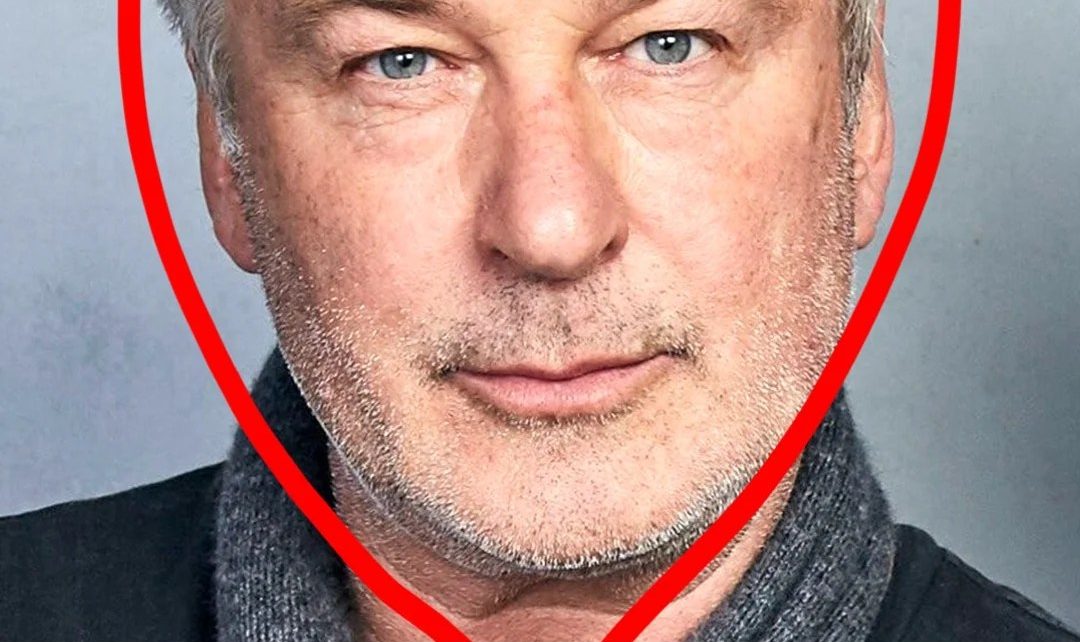
The tragic discharge of a firearm on the set of the Western film “Rust” remains one of the most harrowing cautionary tales in the history of modern cinema. What began as a routine rehearsal at the Bonanza Creek Ranch in Santa Fe, New Mexico, spiraled into a nightmare that claimed the life of cinematographer Halyna Hutchins and left director Joel Souza wounded. The incident didn’t just halt a production; it ignited a global conversation about labor rights, set safety, and the personal accountability of high-profile actors who also serve as producers. Alec Baldwin, the face of the film and a veteran of the industry, found himself at the center of a legal and emotional maelstrom that would redefine his career and his legacy.
The day of the incident was marked by the kind of technical preparation that defines independent filmmaking. Baldwin was practicing a “cross-draw” maneuver with a .45-caliber Colt revolver, a scene meant to heighten the tension of the gritty period piece. The weapon was supposed to be “cold,” a term used in the industry to indicate that a firearm contains no live ammunition. However, as the gun discharged, a live round struck Hutchins in the chest and lodged in Souza’s shoulder. The immediate aftermath was chaotic, a blur of emergency responders and stunned crew members standing in the dust of the New Mexico desert. The loss of Halyna Hutchins, a rising star in the world of cinematography known for her vibrant eye and collaborative spirit, sent shockwaves through the international film community.
As the dust settled, the focus shifted from the tragedy itself to the systemic failures that allowed a live round to enter a movie set. The investigation led by the Santa Fe County Sheriff’s Office pulled back the curtain on a production plagued by tension. Reports surfaced of previous accidental discharges and a walkout by camera crew members just hours before the fatal shooting, citing poor housing conditions and safety concerns. At the heart of the controversy was the film’s armorer, Hannah Gutierrez-Reed, whose level of experience was called into question, and assistant director David Halls, who reportedly handed the weapon to Baldwin while declaring it “cold.” These revelations painted a picture of a rushed production where corners were cut, and the traditional hierarchy of safety checks had catastrophically collapsed.
Alec Baldwin’s role in the tragedy is multifaceted, involving his actions as an actor and his responsibilities as a producer. In the months following the shooting, Baldwin took to the media to maintain his innocence, famously stating in a high-profile interview that he did not pull the trigger, but rather the gun went off when he pulled back the hammer. This claim became a central point of contention for forensic experts and prosecutors. The legal battle that followed was a grueling series of charges, dismissals, and refiled indictments. Baldwin was charged with involuntary manslaughter, a move that polarized the public. Some saw him as a victim of a systemic failure, while others argued that as the person holding the weapon and a leader on the set, he bore ultimate responsibility for the environment that allowed such a lapse in safety.
The trial of Hannah Gutierrez-Reed eventually provided some clarity, though it offered little comfort. She was found guilty of involuntary manslaughter, with the prosecution successfully arguing that her “sloppy” work led to the presence of live ammunition on set. This conviction set a somber tone for Baldwin’s own legal proceedings. Throughout 2024 and into 2025, the legal maneuvers were relentless. Baldwin’s defense team argued that the prosecution was motivated by his celebrity status, while the state insisted that no one, regardless of fame, is above the law when a life is lost due to negligence. The emotional weight of the case was compounded by the civil suits filed by Hutchins’ family, which sought to address the hole left in the lives of her husband and young son.
Beyond the courtroom, the “Rust” incident forced a reckoning within Hollywood. For decades, the use of real firearms on sets was a standard practice, justified by the desire for authenticity. In the wake of Hutchins’ death, a massive movement emerged to ban live firearms entirely, advocating for the use of non-functional replicas and digital effects to simulate gunfire. Many actors and directors pledged never to use real guns again, citing the tragedy as proof that the risks far outweigh the benefits. Unions and safety organizations overhauled their handbooks, implementing stricter protocols that require multiple, redundant checks before a weapon ever nears an actor’s hand. The industry was forced to admit that the “show must go on” mentality had become a dangerous relic of the past.
The personal toll on Baldwin has been visible. Once known for his quick wit and commanding presence, he appeared in courtrooms and public statements as a man aged by the gravity of the situation. While he eventually reached a settlement with the Hutchins estate, the moral weight of the event is something he has acknowledged will stay with him forever. The “Rust” project itself, in a controversial move, eventually resumed filming in Montana to honor Hutchins’ final work, with her husband serving as an executive producer. This decision was met with mixed reactions, as some felt it was a path toward closure, while others saw it as a painful reminder of the price paid for a piece of entertainment.
The legacy of the “Rust” shooting is one of profound loss and necessary change. It serves as a reminder that the magic of cinema is never worth a human life. The legal precedents set during the trials of Baldwin and Gutierrez-Reed will likely influence set safety and liability laws for generations. As the industry moves forward, the name Halyna Hutchins serves as a beacon for those fighting for safer working conditions. Her death was not just a freak accident; it was a failure of a system that prioritized speed and budget over the basic right to a safe workplace. The echoes of that gunshot in the New Mexico chapel continue to resonate, ensuring that the tragedy of “Rust” is never forgotten and, hopefully, never repeated.
In the end, the story is about the fragility of life and the immense power of accountability. Alec Baldwin’s career will always be viewed through the lens of this incident, a permanent asterisk on an otherwise storied life in the arts. As the legal chapters close and the industry adapts to new standards, the focus remains on the void left by a talented cinematographer and the lessons learned in the harshest way possible. The transformation of film sets into safer environments is the only tribute that can truly honor the memory of those lost. The story of “Rust” is a dark chapter in Hollywood history, but it is also the catalyst for a more mindful and protected era of filmmaking.