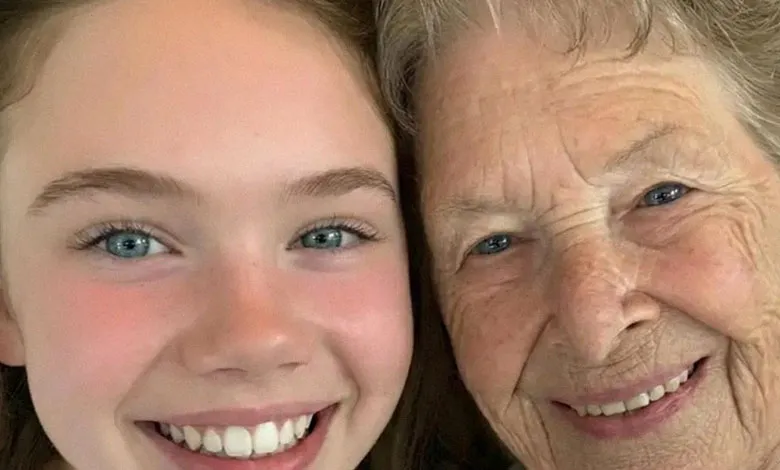
I was thirty-two when I learned I wasn’t really an orphan. Three days after my grandmother’s funeral, a letter in her handwriting arrived, waiting on the same kitchen table where she’d counted pennies and brewed tea for two. In it, she apologized for leaving me “alone again” and promised one truth above all others: I had never been unwanted.
She raised me after telling me my parents died in a car accident. Our life was small but steady—pancakes for emergencies, library trips, carefully saved money for school supplies and birthdays. I didn’t understand her sacrifices until I was fifteen and called her “cheap” in a moment of anger. I never got the chance to apologize. She died the next day, quietly, fully dressed, shoes still on.
The letter explained everything. My parents hadn’t died—they went to prison. She chose to tell me they were gone so I could sleep at night, so I wouldn’t grow up feeling abandoned. She also left behind savings, a college fund, and a note about buying me a “small, sensible car” if she wasn’t there to argue anymore.
Years later, holding a modest acting award in a cramped dressing room, I finally understood. She hadn’t lied to control my life—she lied to protect it. Whatever became of my parents no longer mattered. She was my family, my foundation, and the reason I had the life I do. And that truth was enough.