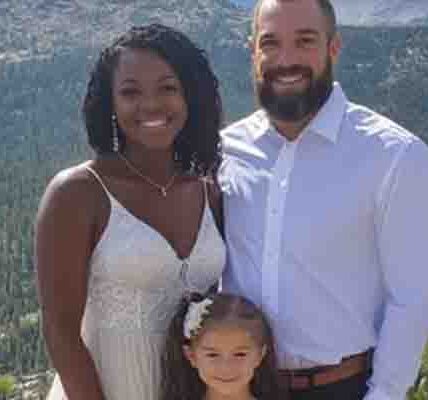
The insult hit like a slap. One “concerned” remark about my daughter’s scar, and the whole Fourth of July barbecue shifted—laughter faded, faces stiffened. My fifteen-year-old, who once smashed a mirror in shame, didn’t shrink this time. She stood up, chose words over silence, and held her ground with a dignity that cut through every fake smile at that table.
The day had started with such fragile hope: sunlight, grilled food, the soft hum of relatives, and my daughter’s scar bare in the summer light, unapologetically visible. Watching her chat and laugh with cousins she barely knew felt like witnessing a quiet miracle. It was proof that the years of therapy, tears, and slow rebuilding had done something. I let myself believe we had finally stepped into safer territory.
Then that single comment shattered the illusion. Melissa’s mother coated her insult in politeness, but the message was clear: my daughter’s face was a problem to be fixed. Melissa’s silence beside her stung just as sharply. When Lily chose to respond, she did it calmly, firmly, with a courage I never had at her age—making it clear that her scar was not an invitation for opinions.
On the drive home, I understood something new: blended families aren’t held together by endless compromise, but by lines you refuse to let anyone cross. That night, Lily slept peacefully, unbothered by what had been said. And for the first time in a long time, my heart did too.